Sponsored article
In recent years, the concept of modular living has gained traction as an innovative housing alternative, especially in rural areas. With a focus on affordability, sustainability, and customization, modular homes offer solutions to many challenges encountered by rural communities. This article delves into the various advantages this approach brings to the table, highlighting how it can redefine living standards while catering to the diverse needs of those residing outside urban centers.
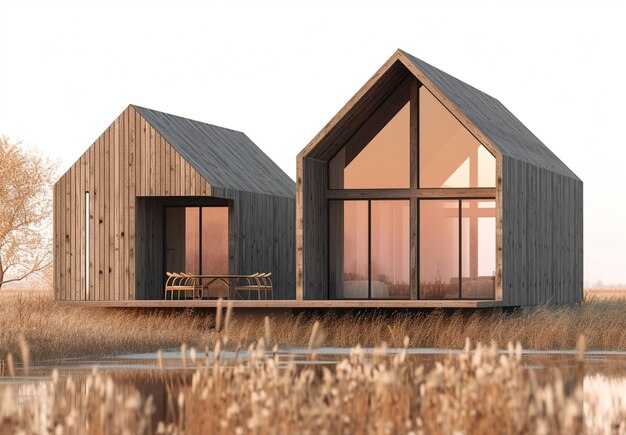
In the quest for affordable housing, modular homes emerge as an ideal solution, particularly in rural areas where space is abundant, but resources may be limited. These homes offer a cost-effective alternative to traditional construction, utilizing efficient building techniques and materials that significantly reduce expenses without compromising on quality. For residents of less populated regions, modular homes present an attractive option due to their ability to blend seamlessly with the natural landscape while minimizing construction time and costs. The economic benefits are clear; lower building costs translate to more accessible housing options for a wider demographic. Furthermore, the flexibility in design allows families to customize their living spaces to meet specific lifestyle needs, enhancing their rural living experience. As part of this innovative housing strategy, manufactured homes play a crucial role by providing durable, high-quality structures that cater to the growing demand for budget-friendly dwellings in expansive countryside settings.
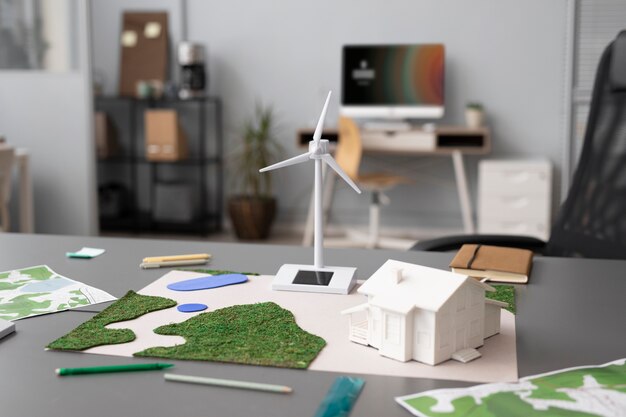
Modular living offers a transformative approach to sustainability, particularly in rural areas where eco-friendly solutions can have a significant impact. One of the key environmental benefits of modular living is its ability to drastically reduce construction waste. Unlike traditional building methods that can result in substantial leftover materials, modular homes are largely pre-fabricated in factories. This process ensures precise measurements and maximizes material use, leading to less waste. Furthermore, modular living emphasizes energy efficiency. Many modular homes are designed with high-efficiency insulation and sustainable energy sources like solar panels. These features diminish the carbon footprint, contributing to a cleaner, more sustainable environment. Additionally, the reduced construction time lessens the environmental disruption typically associated with building sites, preserving the natural beauty of rural surroundings. As a culmination of these factors, modular living delivers profound rural impact by fostering sustainable and eco-friendly community growth.
Customization and flexibility are at the heart of why modular living is gaining popularity in rural areas. With modular design offering a wide array of customization options, homeowners can tailor their living spaces to align seamlessly with personal preferences and the unique demands of rural settings. Unlike traditional homes, modular homes provide flexible living spaces that can be easily modified to accommodate lifestyle changes, such as expanding a family or transitioning to a home office. The adaptability of modular design ensures residents can add or remove sections, rearrange interiors, and even modify exterior elements to meet evolving rural needs. As a result, homeowners can ensure that their modular homes remain relevant and functional, no matter how their lives or the surrounding environment changes. This ability to customize and embrace flexible living spaces speaks directly to a sustainable and personalized approach to building in rural areas, fostering a harmonious blend between modern living and natural surroundings.